 01
01Spine & posture
Back pain
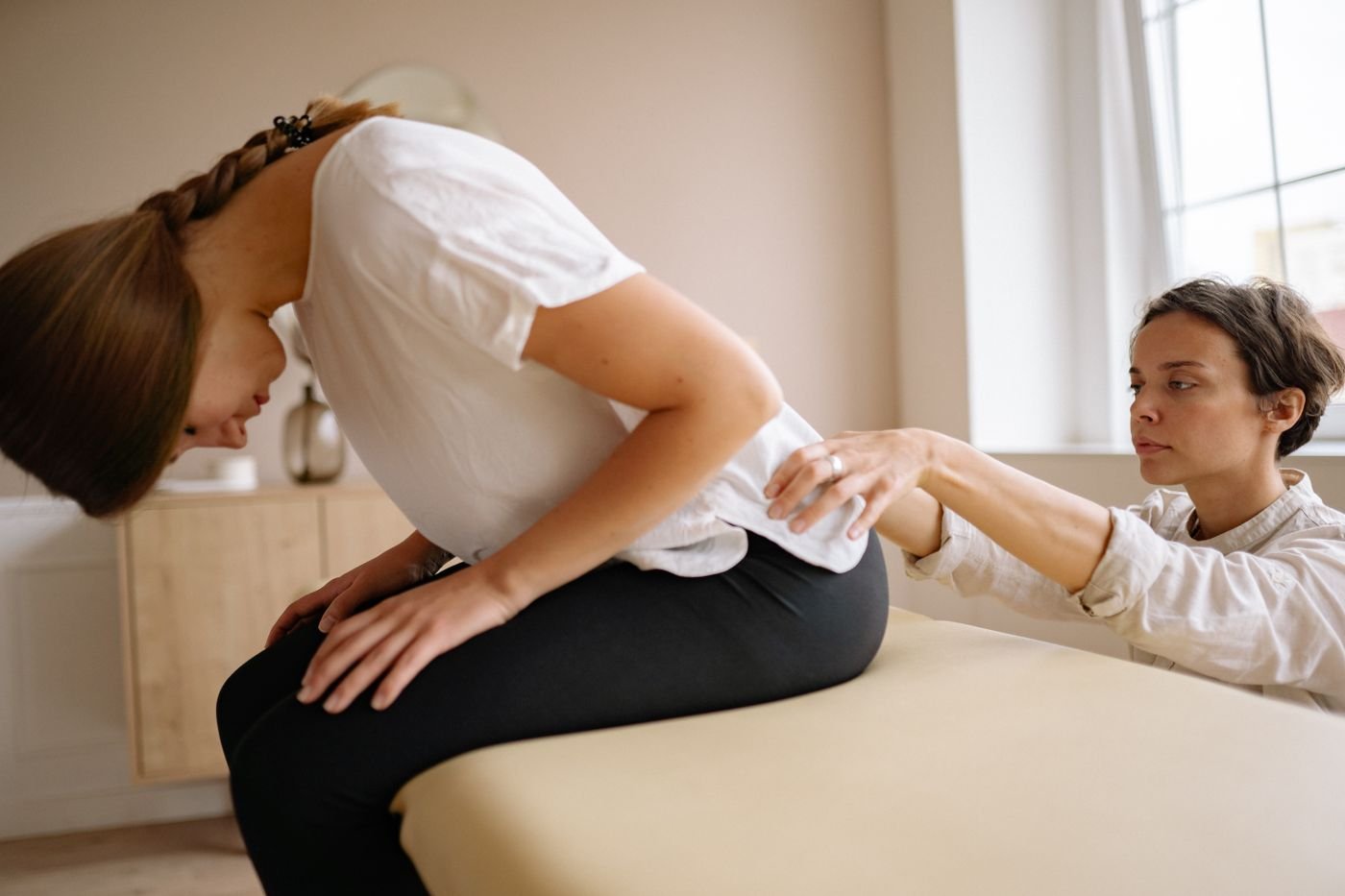
Discomfort in the lower or upper back can make sitting, lifting and everyday movement difficult.
Explore conditionExplore common movement concerns and rehabilitation needs. Each guide helps you prepare for a conversation with your clinician.
GOOD HEALTH / UTTAM NAGARThese guides are educational. Call to confirm the care available and its suitability for you.
18 condition guides
01Discomfort in the lower or upper back can make sitting, lifting and everyday movement difficult.
Explore condition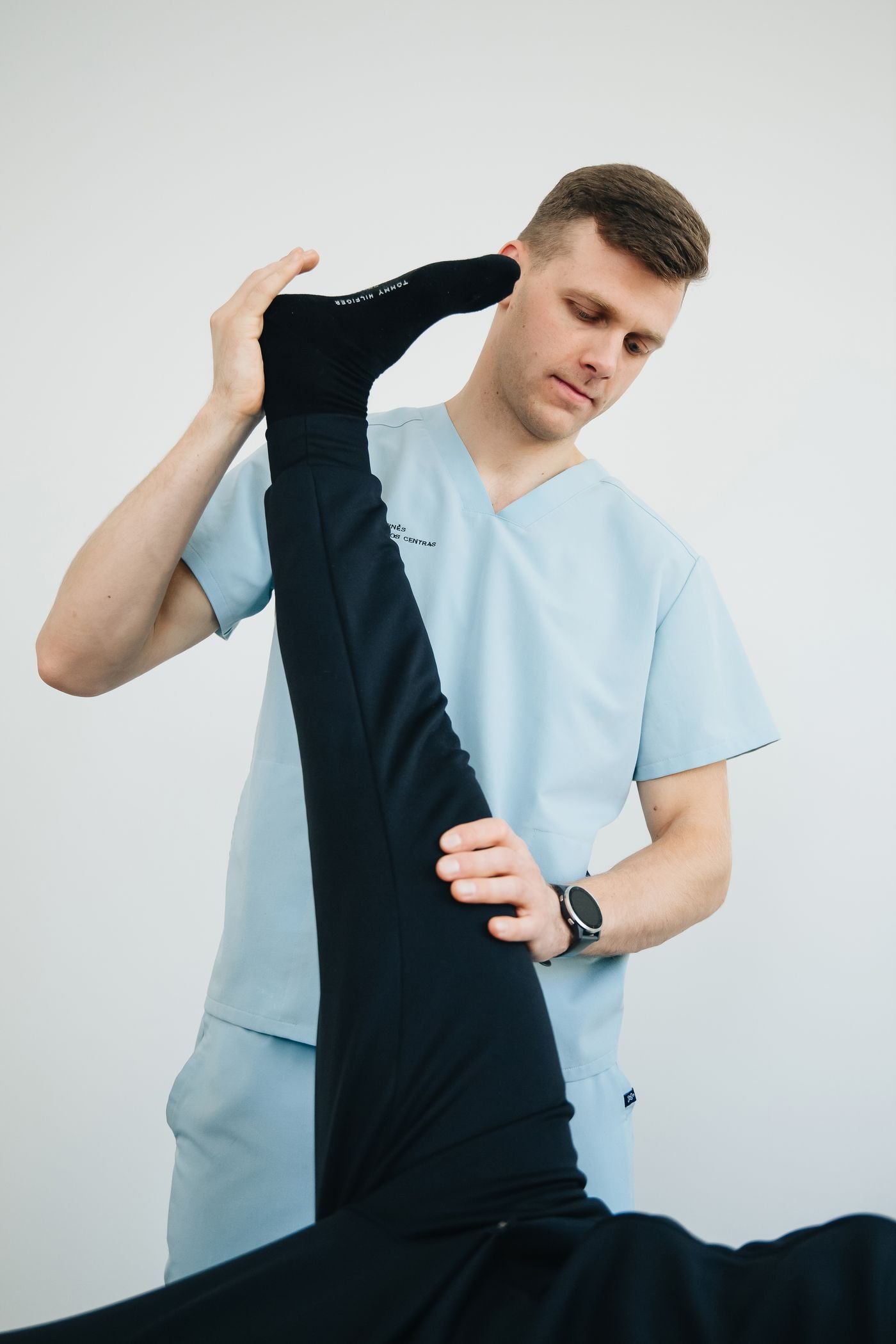 02
02Neck discomfort and restricted movement can affect desk work, sleep and turning your head.
Explore condition03Sciatica describes pain associated with irritation of nerves in the lower back. Symptoms may travel into the leg.
Explore condition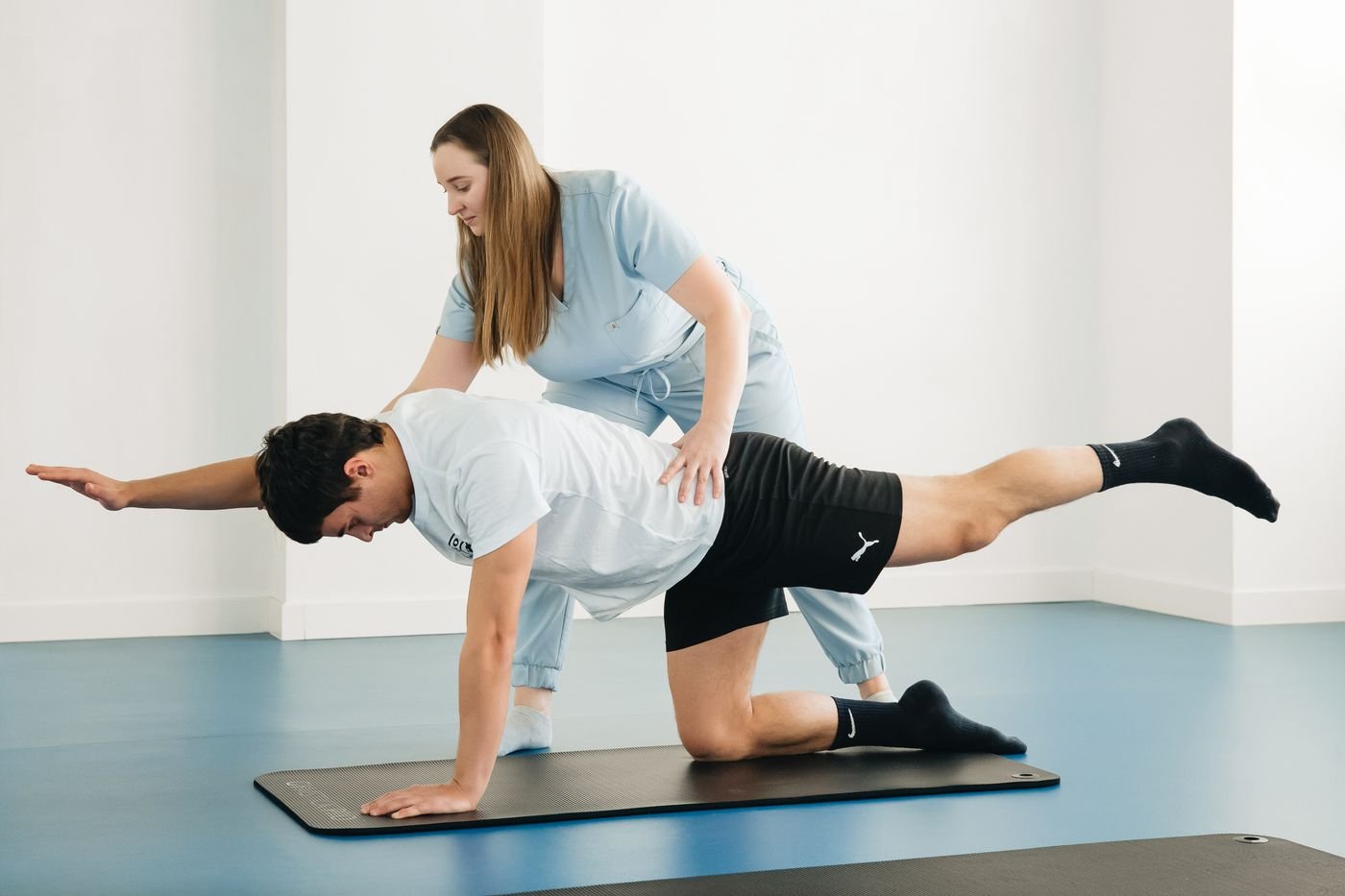 04
04Long periods in one position can be uncomfortable. Discuss how your work setup, movement habits and daily demands affect you.
Explore condition05Frozen shoulder can cause pain and stiffness that make reaching, dressing and lifting your arm difficult.
Explore condition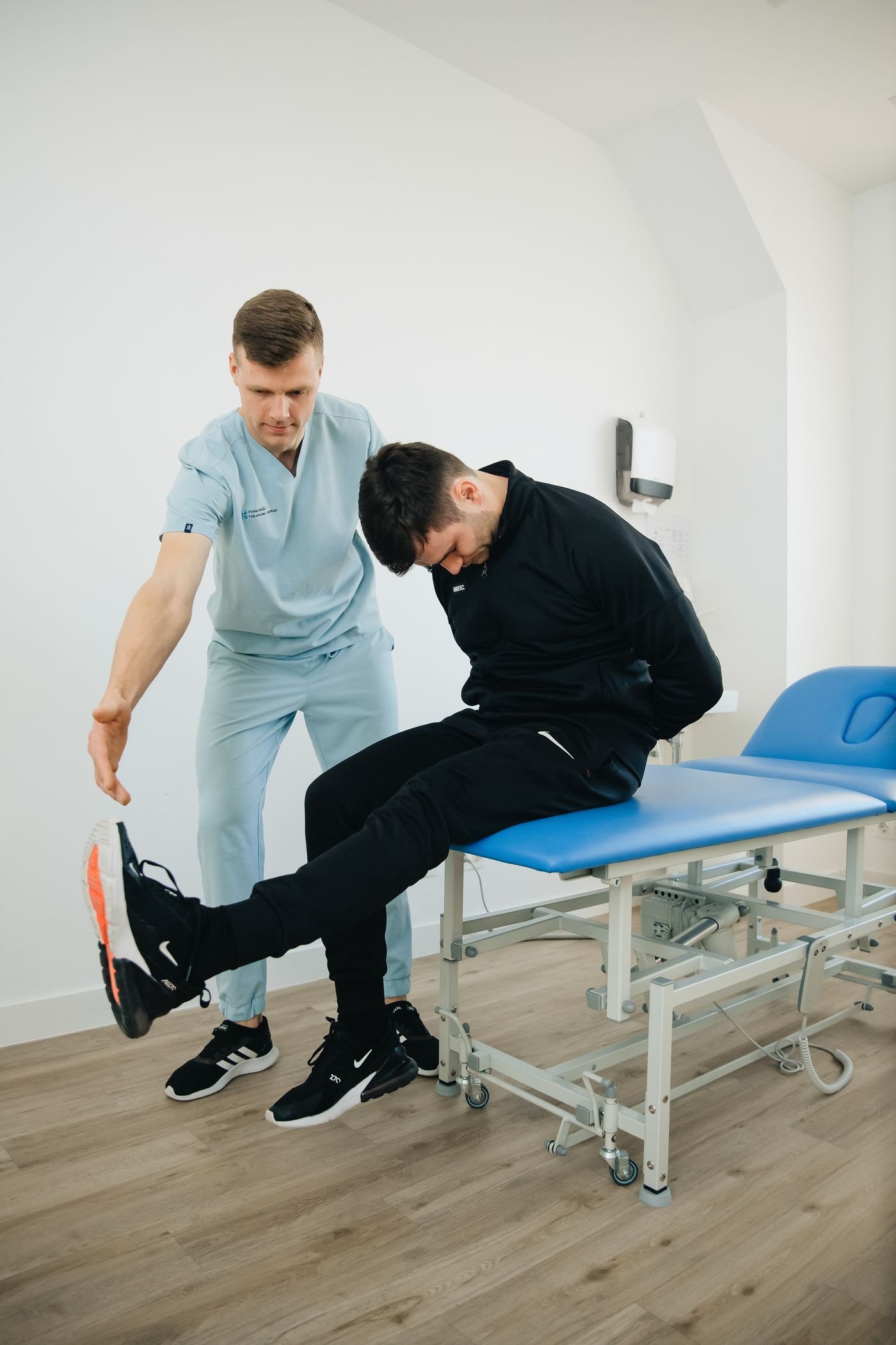 06
06Knee pain has different causes. An assessment can help clarify difficulties with stairs, walking and getting up from a chair.
Explore condition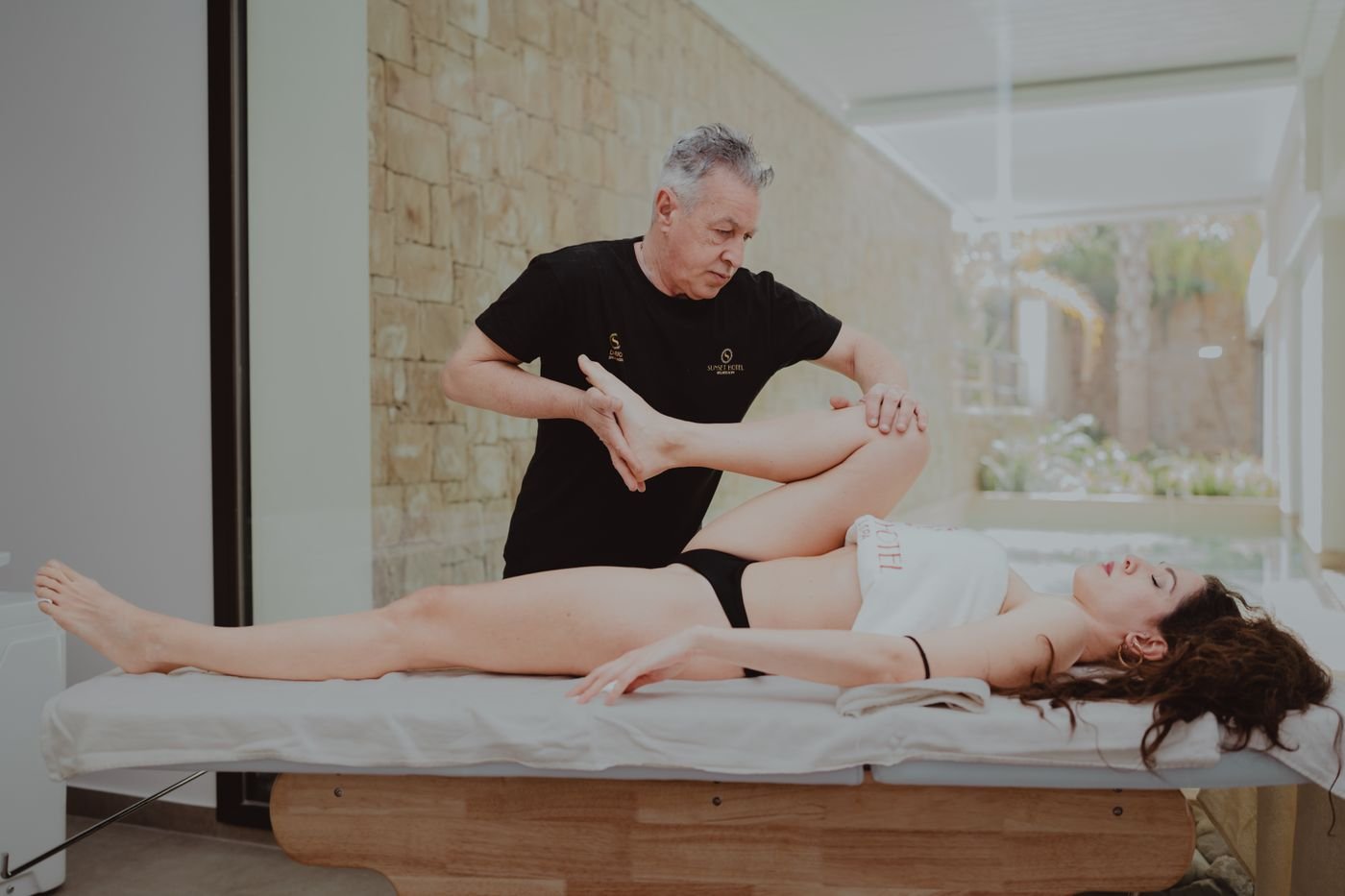 07
07Osteoarthritis can cause joint pain and stiffness. Support is aimed at managing symptoms and maintaining everyday function.
Explore condition08Pain around the outside of the elbow can affect gripping, carrying and repetitive tasks.
Explore condition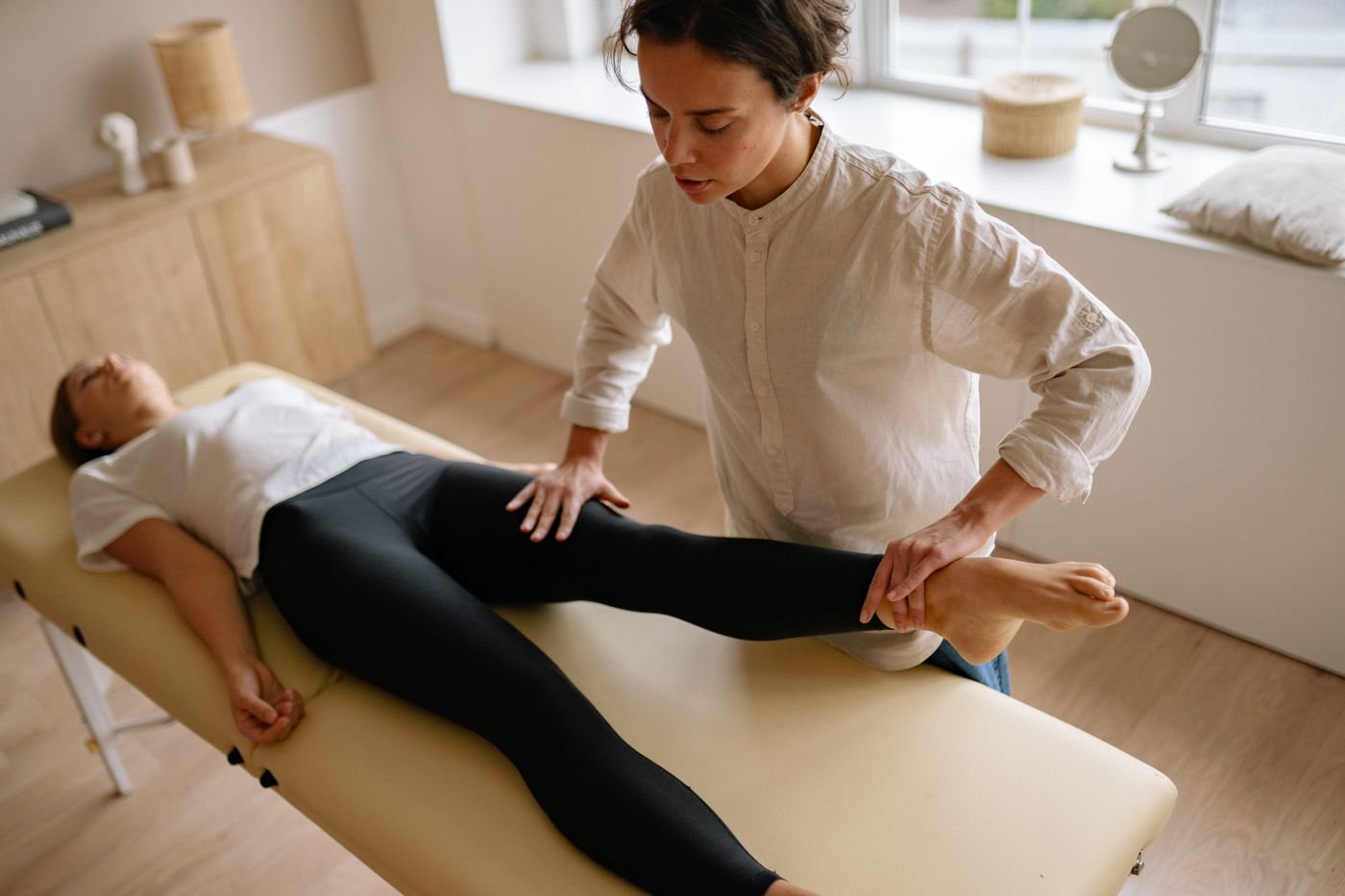 09
09Foot or heel discomfort, including plantar fasciitis, can interfere with walking and time spent on your feet.
Explore condition10Sprains, strains and other sporting injuries can interrupt training. Recovery planning should reflect the injury and demands of your sport.
Explore condition11An ankle sprain affects the ligaments supporting the joint. Persistent pain or instability deserves a clinical review.
Explore condition12A strained muscle may feel painful or weak during movement. Discuss the injury and the tasks that now feel difficult.
Explore condition13After a fracture, rehabilitation must follow the treating specialist’s advice and any restrictions on movement or weight bearing.
Explore condition14Recovery after surgery needs a plan that respects the procedure, healing stage and instructions from your surgical team.
Explore condition15Stroke rehabilitation may include movement practice and support for everyday activities as part of a wider medical care plan.
Explore condition16Physiotherapy may form part of Parkinson’s care, with attention to movement, walking and functional activities.
Explore condition17Changes in balance or walking confidence can have several causes. A clinical assessment helps identify the appropriate next step.
Explore condition18Everyday tasks can become harder when strength or mobility changes. Discuss practical goals that matter to your independence.
Explore conditionTry a broader word, choose another category or contact the clinic about your concern.
Talk to Dr Noman about your concerns
and plan a visit to Good Health.